OPPS Developments Home

Category

Property Investment & Retrofit

20 articles

Ground Truth: Underwriting Radon Potential Before a UK Renovation Purchase

Ground Truth: Underwriting Radon Potential Before a UK Renovation Purchase

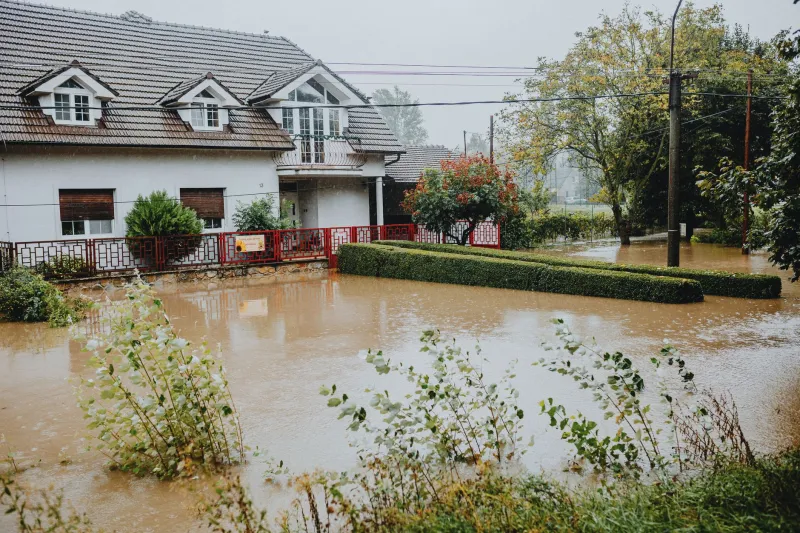
Radon is colourless, odourless and easy to leave out of a renovation appraisal until it becomes a lender question or a post-completion cost. This article sets out how UK buyers should screen radon potential, commission property-level evidence and price mitigation into the acquisition before exchange.

Strata of Risk: Pricing Mining Subsidence and Severed Mineral Rights in 2026

Strata of Risk: Pricing Mining Subsidence and Severed Mineral Rights in 2026

Most UK renovation appraisals stop at the standard local authority search. For properties above old coal workings, salt fields or chalk dissolution features, the more important questions sit below the surface — and so does the lender's caution. This guide sets out how to commission the right reports, price remediation and insurance, and decide when a mining search should end the deal rather than simply reduce the offer.

Uplift, Not Windfall: Underwriting Overage and Clawback in UK Development Land

Uplift, Not Windfall: Underwriting Overage and Clawback in UK Development Land

Overage and clawback provisions can quietly transfer a substantial portion of future development profit to a previous landowner. This article sets out how UK buyers should identify trigger events, model the net residual value after uplift payments, and negotiate terms that remain workable through a renovation or build programme.

Borrowed Ground: Underwriting Flats With Split Structural Ownership in 2026

Borrowed Ground: Underwriting Flats With Split Structural Ownership in 2026

An upper-floor flat can look self-contained until the title shows that the structure beneath it belongs to someone else. This article sets out how UK buyers should identify split structural ownership, test mortgageability and repair liability, and price the resulting discount before exchange in 2026.

The Heat You Don't Own: Diligence on Communal Energy Centres Before Exchange

The Heat You Don't Own: Diligence on Communal Energy Centres Before Exchange

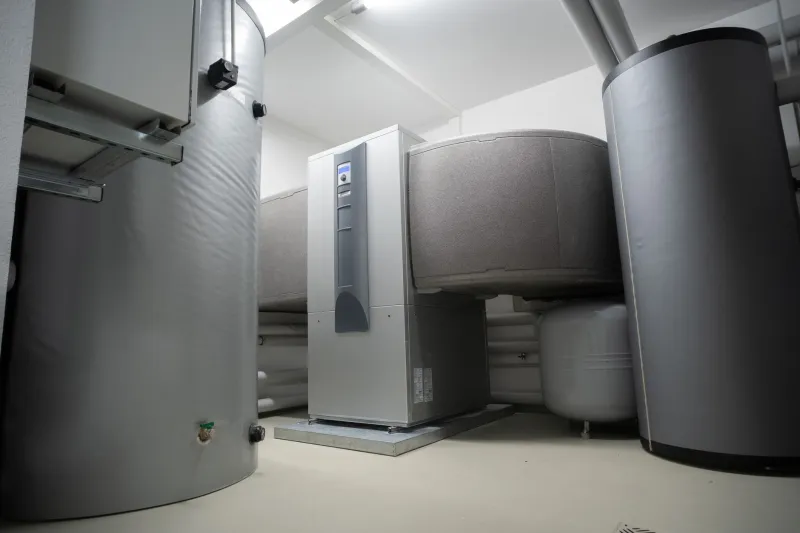
A communal boiler or district connection is often presented as a low-carbon asset, yet the plant, the pipework and the tariff usually belong to someone else. This pre-exchange checklist sets out how UK buyers should test ownership, billing, plant life and handover risk before committing capital to a heat-network-served building.

Root Cause: How UK Buyers Should Underwrite Japanese Knotweed in 2026 Renovation Deals

Root Cause: How UK Buyers Should Underwrite Japanese Knotweed in 2026 Renovation Deals

Japanese knotweed is rarely a simple yes-or-no defect. It is a financing, programme and exit-risk variable that should be inspected, documented and priced before exchange. This article sets out a practical diligence sequence for UK renovation buyers in 2026, including the difference between a herbicide management plan and an insurance-backed excavation warranty.

When Permission Sets the Pace: Pricing Heritage Risk Before Exchange

When Permission Sets the Pace: Pricing Heritage Risk Before Exchange

Listed-building consent and conservation-area approval are often treated as administrative steps, but they can reset a renovation's cash flow and exit date. This pre-exchange framework shows UK buyers how to audit heritage designations, planning history, pre-application advice and contractor availability, then convert likely delay into a lower offer, firmer contingency and a realistic timetable for 2026.

The Marriage-Value Margin: Appraising Short-Lease Flats as Development Stock in 2026

The Marriage-Value Margin: Appraising Short-Lease Flats as Development Stock in 2026

A short lease is often treated as an automatic defect, but for developers it is better understood as a quantifiable discount with a definable cure cost. This appraisal framework separates the marriage-value calculation from the transaction risks that actually derail short-lease projects: freeholder delay, incomplete ground-rent records and defective title.

The Narrow Gain: Underwriting Side-Return Extensions in UK Terraces

The Narrow Gain: Underwriting Side-Return Extensions in UK Terraces

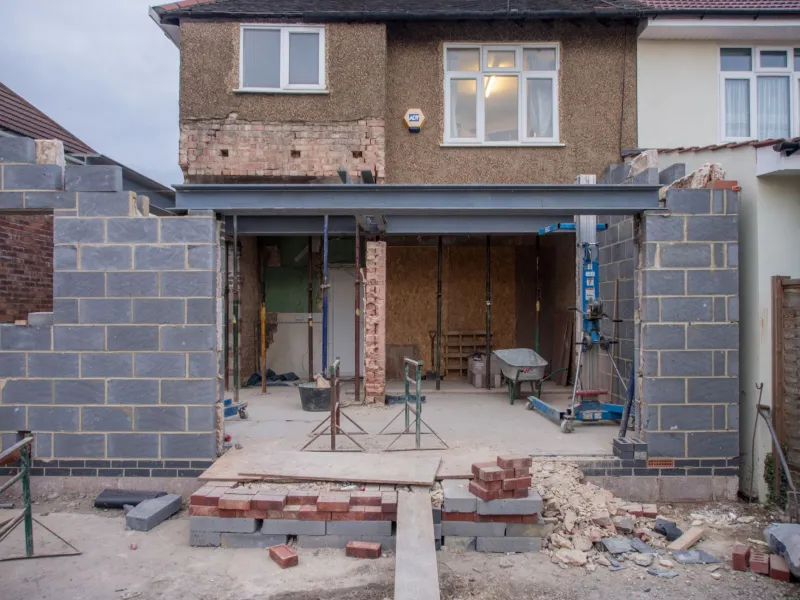
Side-return extensions are frequently marketed as an automatic value-add in UK terraces, yet the narrow strip of ground can carry disproportionate planning, party wall and buildability risk. This 2026 checklist treats the side return as a marginal underwriting decision rather than a default improvement.

The Adjoining Owner Discount: Underwriting Party Wall Risk Before You Exchange in 2026

The Adjoining Owner Discount: Underwriting Party Wall Risk Before You Exchange in 2026

Party wall matters are usually discovered after exchange, when the timetable has hardened and the neighbours have a solicitor. This guide sets out how to identify notifiable works at the viewing stage, what the documentary trail should reveal, and how to convert surveyor fees, awards and programme slippage into a defensible reduction in your offer for a UK do-er-upper.

Fabric First, Returns Second: Deep Retrofit ROI for UK Property Investors in 2026

Fabric First, Returns Second: Deep Retrofit ROI for UK Property Investors in 2026

Deep retrofit can improve energy performance, tenant appeal and running costs, but it can also push an otherwise sound investment beyond its ceiling value. This analysis sets out when fabric-first spending earns its keep and how investors can test retrofit returns against rent, resale and build-quality evidence.